

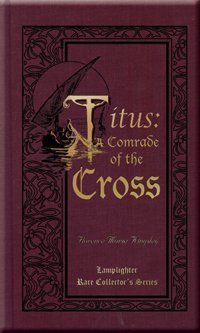
This story falls is one of those that is fictional, but follows along with the biblical narrative. Imagine something like Ben Hur. It anything it has many more intersections with the scripture than that well known story. As we always like to point out (in addition to any content parents need to know about), stories like this will always have to inevitably take a bit of creative license in “filling in the gaps” that some parents may not like. The author is incredibly intentional and cautious with this, but it is there. We also like to suggest that you read stories like this with your children. Not only will it challenge you as well, but it allows you to explain the pieces that are in the scripture and those that were a part of the fictional tale.
Most of the content that Christian parents will want to know about comes from the author being intentional about showing the brokenness that Jesus came to rescue us from. We will share it here to make sure your child is ready for it.
A majority of this grouping of content comes from a group of rough, wicked men who are led by Titus’ father. His brother Steven asks him mom if their father has been “beating her again”. We are told of a past event where he struck a woman and seriously hurt her child. This group drinks, robs and in the past has even murdered.
The book opens to a scene of intense mourning as a Jewish family discovers that their precious 3-year-old son is missing after being kidnapped. Obviously, this is a frightening concept for younger children.
A few events that lead to miracles by Jesus are a bit heavy. A baby falls from a rooftop and nearly dies. A blind man explains his eyes were “burned out with a red-hot iron”. A very sick man says, “I am going to die here, and I’m glad of it. My life has not been so happy that I would fain live longer”
Titus is unsaved for most of this story. A rude Jewish man spits at him and in anger he says, “I could have killed him! Aye, I will kill him if he dares to do it again”.
Other items to be aware of:
True to the time, multiple times someone mentions “hating the Jews”.
Steven is referred to as “a cripple” a couple times, but never in a derogatory way.
Greek characters utter things like “thank the gods”. The wicked group is said to pray and call out to several “heathen gods”. A Roman character says, “Then may the gods help Him”.
A servant calls his master and master’s daughter “worshipful”.
The word “ass” is used in reference to a donkey.
A negative character says, “Thou art a woman, and therefore a fool”
We should also point out that this book is from the late 1800s and Lamplighters likes to preserve the original writing. This means that the book does have a decent amount of phrasing that is a bit foreign to us now (“Dost”, “Thou art”, etc.). The context makes it much less challenging than you think, but it might frustrate less confident readers. This may be one you want to read out loud together.