

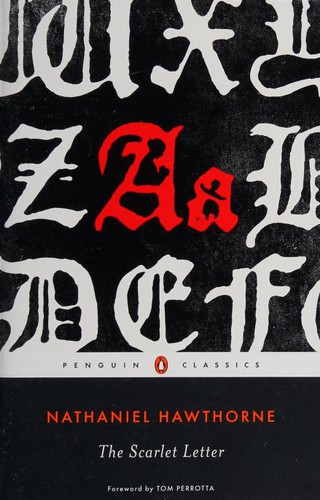
The Scarlet Letter is a classic that is frequently taught or recommended at the high-school level, including in public-school and college-prep literature courses. It appears in high-school curriculum resources and has been used as an 11th-grade American literature text, so this is one Christian parents may especially want to be familiar with before their teenager is assigned it.
The central concern is adultery. The entire story revolves around Hester Prynne, a married woman who has conceived a child through an adulterous relationship with Reverend Arthur Dimmesdale. The sexual relationship itself is not graphically described; it occurred before the main events of the story. However, adultery, sexual sin, an out-of-wedlock pregnancy, secrecy, guilt, and the consequences of that relationship are foundational to the entire novel.
Christian parents should pay particular attention to the book's treatment of Christianity, sin, judgment, and the Church. Hawthorne portrays the Puritan community as harsh, legalistic, hypocritical, and at times lacking compassion. There is certainly worthwhile criticism here of hypocrisy and outward religiosity without genuine mercy. At the same time, younger readers could walk away associating biblical morality itself with the cruelty and judgment displayed by some of the religious characters. This distinction makes the book especially important to discuss through a biblical lens.
Reverend Dimmesdale is also a deeply flawed representation of a Christian leader. He participates in adultery but allows Hester to publicly carry the shame while concealing his own involvement. His hidden sin and guilt consume him. Rather than making the adultery appear consequence-free, the story spends considerable time showing the destructive effects of secret sin, guilt, dishonesty, hypocrisy, and refusing to confess wrongdoing.
Roger Chillingworth, Hester's husband, presents another significant moral issue. His anger develops into an obsessive desire for revenge, and he psychologically torments Dimmesdale. His character provides a strong example of how bitterness and vengeance can consume a person.
There are also some dark and emotionally heavy themes, including public humiliation, revenge, psychological torment, guilt, references to the supernatural and witchcraft, and death. Pearl is at times described using troubling or almost demonic imagery, although this is largely symbolic rather than the story promoting the occult.
Overall, there is very little graphic content compared with many modern books written for teenagers. The greater concern is the moral and theological complexity of what students are being asked to consider. This is a book about adultery, concealed sin, religious hypocrisy, judgment, guilt, revenge, repentance, and redemption. Those subjects can lead to excellent conversations, but Christian parents should not necessarily rely on a secular classroom discussion to approach them from the same biblical foundation they would.