

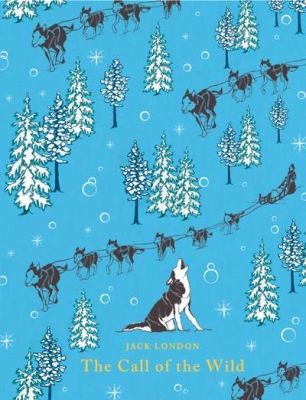
There is some important content for Christian parents to be aware of in The Call of the Wild. While we ultimately recommend this classic, it is a much harsher story than parents unfamiliar with it may expect. At its core, this is the story of a domesticated dog who is suddenly placed into a brutal environment and must learn how to survive in the wild.
Violence and animal cruelty are the biggest concerns. Buck is stolen from his home and beaten with a club until he submits. Throughout the story, dogs are beaten, whipped, overworked, starved, injured, and killed. There are also intense fights between animals, including the prolonged fight between Buck and Spitz that ends in Spitz's death. As Buck adapts to life in the wild, he also becomes a hunter and kills other animals.
There is violence involving humans as well. Toward the end of the book, Buck discovers that John Thornton and others have been killed, and he violently attacks those responsible, killing multiple men. Some of these scenes and descriptions can be graphic, especially for younger or sensitive readers.
Because of this, we think this is a book parents should be prepared to talk through with their children through a biblical lens. There are great opportunities to discuss the difference between an animal's instinct for survival and the moral responsibilities God has given to human beings. Buck learns behaviors such as stealing, fighting, and killing as he adapts to an incredibly harsh environment. Parents can help children understand these moments within the context of the story rather than allowing survival itself to become a standard for determining right and wrong.
Some readers may also interpret portions of Buck's return to his ancestral instincts through an evolutionary or "survival of the fittest" lens. We did not see this as a reason to avoid the book or as its primary message. Rather, the story largely follows a domesticated dog learning to rely on instincts and adapt after being forced into life in the wild. Still, this could provide another worthwhile conversation for Christian families about creation, animals, instinct, and how a biblical worldview differs from secular ideas about origins.
There are some alcohol and tobacco references, including men smoking pipes and references to drinking, though neither is a significant focus. There is also some mild language, including uses of "hell."
Parents should also remember that the book was published in 1903, and there are dated descriptions and terminology regarding different groups of people. The portrayal of Native people near the end is particularly harsh and may be worth discussing within its historical context.
Sexual content is essentially absent, and there are no notable concerns involving homosexuality, gender ideology, or abortion.
Overall, the primary caution here is the intensity of the violence and animal suffering, not an overarching objection to the story itself. Sensitive children and especially children who love animals may find certain scenes difficult. We recommend parents be prepared to support younger readers through those moments and use them as opportunities for meaningful, biblically grounded conversations about cruelty, compassion, survival, courage, and our responsibility to distinguish right from wrong.