

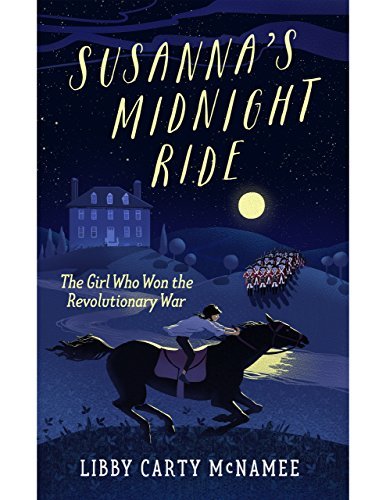
This title has a solid clean feel throughout, but there are a few things Christian parents will want to be aware of. These are items to discuss with your kids before or after reading (or, even better, reading alongside them):
The most important item to know about is the accurate historical representation of slavery during this time. While it is certainly represented with young readers in mind, this is not modified for modern sensibilities. This means someone reading this book will see slaves spoken of as property. Terms like “negro” are used throughout. One comment says that a particularly helpful slave is “worth 10 white men”. For completeness, we should also mention that Susanna’s family loves and cares for their slaves, something often lacking in current descriptions of slavery in the south at this time (similar to how much of the ancient world’s slavery is not typically understood today). Many slaves in the book have no desire to leave their plantation, even when offered to by the British.
While there is some solid positive spiritual content (see below), there are a few comments in the opposite direction as well. A character remarks, “Fate has spared us” (one of a couple similar references to “fate”). The term ‘godforsaken’ is used quite frequently, as in “godforsaken war” (also terms like god-awful). The is a reference to Susanne telling ghost stories with her brother. We hear the remark of a particularly upset character, “despite my strict Anglican upbringing, I wish him nothing but pain, burning in the fires of hell for all eternity”. Another unfortunate comment from a Christian perspective reads, “I seek inspiration, asking the spirit of my great-grandmother Pocahontas to guide me home”.
Susanna is by no means a perfect hero. She often does things like call her mom’s list of chores “wearisome”. She rolls her eyes. She admits to, in the past, doing multiple things her mother forbid (e.g., when she rides horses in a way her mother does not approve of once out of sight) She does not handle interactions with an annoying/unloving peer (e.g., wanting to box her ears). We do see her grow as the story progresses.
A handful of additional items.
The book opens with the following historical quote: “Remember the ladies, and be more generous and favorable to them than your ancestors. Do not put such unlimited power into the hands of the husbands”. This is certainly meant by both the original speaker and the author in a very positive light and it certainly fits with the Christian imperative that husbands cherish their wives. It would just be good to explain this intent to children as there is no doubt a push in our culture now in the opposite direction to challenge and diminish the God-given role and responsibility of husbands in the home.
In a similar vein, there is also a decent amount of content around disappointment in not being able to fight in the war or do other things because Susanne is a girl. Again, this can drive positive conversation, as God truly cherishes all of those He has made, but there is no doubt that our culture now wars against traditional roles in the home. God asks us to take the good from one side without erring the other way.
The book never feels too heavy or scary, but there is a bit of content that may be too much for some young readers. The war is the primary source of this content of course. There is also a couple of references to a family member who died.
At one point Benedict Arnold’s actions are compared to those of Judas, but it goes further to say that Arnold’s actions were worse, saying, “at least Judas had the decency to hang himself”. Later we hear a hope that Arnold “roasts on a bonfire in hell with satan himself” with a later reference to him being the devil incarnate.
There is a reference to the terrible conditions of soldiers. One mentions some fighting buck-naked or with just enough to cover their “private parts”. One soldier who lost his leg says he wishes he had died in battle (although this character is shown in a bit of a negative light). Another comment mentions running “a bayonet through their hearts”.
The term “arse” is used. Someone says they would “sooner fall into that well out there and drown”. Someone says they wish to “lodge one (musket ball) into Benedict Arnold’s heart”. Several types of alcohol are mentioned by name and the British soldiers are given excessive amounts (because they want it and to help a plan against them succeed).