

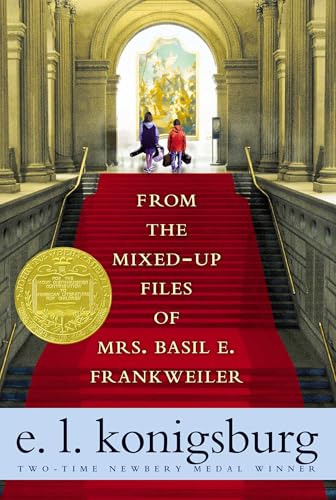
We will say up front that you won’t find a bunch of ultra concerning content here. But as Christians there are considerations beyond that we need to consider. There is an interesting “feel” to this book. The best way to summarize it is that young readers experience this story through the eyes of Claudia, her brother Jamie and the narrator Mrs. Basil and all three are very modern characters who feel completely stripped of the good moral qualities we want our children to model. We will give some examples here to try and give a feel for this so you can decide if this is an ok choice for your kiddos:
- The story starts with Claudia carefully and unemotionally planning to run away. This starts the central plot of the book as they do run away for many days. As if this wasn’t already a potentially concerning train of thought for kids, pretty far into the book the she and her brother start talking about how they really don’t miss home or their family. They even comment, “It’s really their fault if we’re not homesick”.
- When we meet the younger brother she selects to run away with her, we are told he gambles by playing cards with friends for money. He immediately asks her not to tell their parents. They both then act as if this is something to be proud of.
- The older children take turns walking with the youngest sibling. When it is Claudia’s turn she turns and rudely says, “That would be just fine with me, Kevin Brat”. This is a part of a greater theme. The siblings just aren’t very kind to each (very common in modern books we read).
- Jamie and Claudia bicker quite often.
- The duo steals a man’s newspaper when he sets it down.
- Jamie makes a comment about a “fat naked lady”
- We find out Jamie has won a lot of money by cheating at the previously mentioned card games. To make it worse, when Claudia points this out he responds, “Claudia dear, I’m no angel.” (a dangerous message!)
- When the duo finds a candy bar, Claudia warns that “It’s probably poisoned or filled with marijuana, so you’ll eat it and become either dead or a dope addict”. She goes into an elaborate plot where dealers leave candy around to get people addicted, to which she surprisingly closes with, “we don’t have that kind of money” (here the author surprisingly chooses to try edgy humor with this young audience).
- At the climax of the book, Mrs. Basil (the only adult really directly involved in the book) puts a huge positive emphasis on secrets. Keeping secrets is likely not something parents want harped on to their children. While keeping things from parents isn’t specifically mentioned, it is not a far leap to see it as implied.
- Basil sadly tells the children, “I never cheat when the stakes are high”. She also implies she is dishonest in other ways at times.
- Even at the end when things are supposed to be driving to a somewhat happy ending, we see the children planning out their next visit to Mrs. Basil, saying “Well just tell mom and dad we’re going bowling or something”. Seems like a fitting way to sum the feel of this one up.
We should also mention that the illustrations are something we can only describe as… “interesting”. You really have to see them to understand, so we would suggest you flip through them before letting your child read the book. They feel intentionally odd.
Other things we found:
- Claudia’s brother references a “Neanderthal man”
- Art of a certain time period is said to feature “bosomy naked ladies”
- When Sunday comes the two kids wonder if they should go to church. They decide, “well let’s say a prayer”. They say the Lord’s prayer, Claudia apologizes for stealing the newspaper and the scene ends with her remarking, “That made it officially Sunday”.
- Jamie tells Claudia, “Most people drink beer. What’s so unusual about that?”.
- Jamie takes a wild guess at a situation, “Suicide! She’s going to drown herself because we’re caught”.
- Jamie flippantly yells, “Hallelujah