

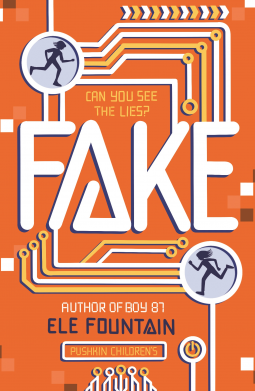
This book is refreshingly light on concerning content, but one core part of the story brings up an interesting moral topic you may not have thought to discuss with your children up to this point. The topic of hacking is woven into the story. At its core, hacking can be thought of as gaining illegitimate access to computer systems and accounts. Our world introduces the idea of “ethical hacking”, which sounds like an oxymoron. We see this in the following comments, “They (hackers) could save companies millions of pounds (the currency) by discovering weak spots in their computer systems” and “Some people did it (hacking) to help, some did it to cheat others out of their money, or create chaos”. The reality is that unless someone is hired by a company to try and find security flaw in its own network and systems (in which case we would no longer consider it “hacking”) then this activity is always wrong. Note that there are legitimate careers in fields like Network Security where people with this interest can use these skills for good. This book doesn’t really attempt to clear this up so Christian parents who let their child read this one should take the time to explain this.
Related to that, Jess, the main character, sneaks out of her bed at lights out to use a device to communicate with her hacking peer. She gives and receives challenges, which typically revolve around hacking into real systems.
The only other concerning item comes when we are told a few students roll their eyes when hearing about one of the school’s rules. As we said, this is a refreshingly clean book.